Day 3: On the Road in Inle

IMG_6869

Today we headed north to Inle Lake, an area full of small fishing villages. While visiting one of the villages on the lake, we saw a procession of children.  School had just let out and they walked across the bridge to the dock where they waited to be picked up by boat to go home.  Like children everywhere, these kids were quite happy to be done with school for the day.

Day 2: On the Road in Yangon

IMG_6266

On our second day we headed to downtown Yangon where you will see countless old colonial buildings in the historical wards.  As a result of the country’s isolation for many years, some parts of Myanmar have remained much like they were a century ago. While the buildings look like they have stood still in time, the streets below are bustling with modern day activity. The store fronts are open for business while cars and people jostle to pass through the narrow roads.

Day 1: On the Road in Yangon

///IMG_6004

After flying for two days, we finally made it to Yangon.  We’ve only been here for a day and we’re already head over heels in love with this country.  As my mom likes to point out  “you like everywhere you go”, which is true, but there is also something special about this place.  At first glance, it reminds me a lot of Thailand, especially the golden pagoda and temples.  “Same same but different,” as they say.  Here at Shwedagon Pagoda, instead of hoards of tourists, you’ll see Burmese people in their colorful longyi.  Visiting the pagoda as a family affair.  Even though it’s a sacred religious place, people bring their food and have a family picnic in the temples after praying.   

Day 4: On the Road in Rio

IMG_20150907_145853519_HDR

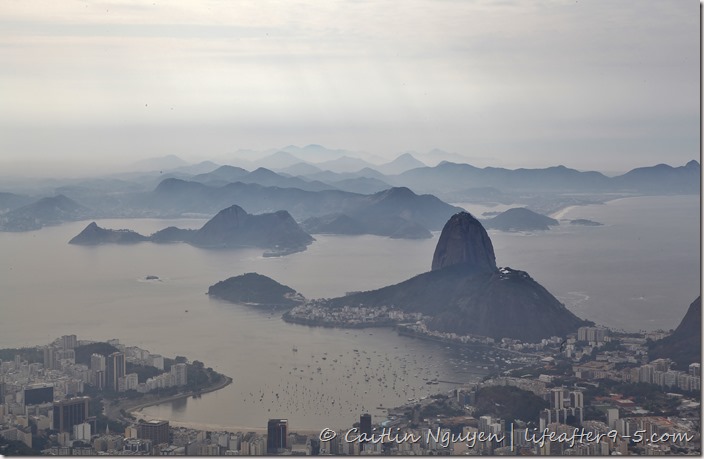
It’s our last day in Rio and the sky is still overcast and ominous looking.  We were excited to go hang gliding on this trip, but due to unfavorable weather conditions, we had to reschedule 4 different times.  Today was our last chance, and after waiting around for 3 hours, we were finally given the all-clear to head up the mountain.  Unfortunately when we got there, the wind picked back up and it was too dangerous to take off.  This picture was as far as I got to becoming a bird.  It was not meant to be.

This trip had it’s fair share of bad luck for us, starting with the canceled flight to the crappy weather, to the hang gliding.  Ironically, this was the hottest winter in Brazil and it only rained 4 times throughout the whole season.  Lucky for us, it rained all 4 days we were here.  I am not complaining, we had a great time bad weather and all, and Rio can only get better from here.  Time to head back to New York. 

Day 3: On the Road in Rio

IMG_3916

Today we visited Rocinha, the largest favela in Rio de Janeiro built  on the side of a steep hill.  This small area of about one square kilometer holds over 80,000 people.  There are over 700 favelas of various sizes throughout Rio.  These shanty towns were made famous in the movie City of God, showing the rampant crime and drug activity festering in these close quarters.  Today, the government with the help of the military have attempted to overtake the area, drive down crime, and improve infrastructure.  Our visit was pretty safe, we walked through the alleyways while learning a bit about the history of favelas got a glimpse into the life of its inhabitants.

Day 2: On the Road in Rio

IMG_3717

This morning we woke up to more rain and clouds.  Since we weren’t able to go to the beach, we decided to head over to Parque Lage, a public park area that sits at the foot of the Corcovado in the shadow of Christ the Redeemer above .  Inside this preserved tropical forest is a quiet English garden and an old palazzo, built by Henrique Lage  for his wife.  This impressive mansion was later turned into a public area where you can sit and have lunch in the courtyard while enjoying the view.

Day 10: On the Road in Stone Town

IMG_2618

Our last day on the road, we stopped in Stone town, a once sleepy beach town turned into a major port city for East Africa. Goods flow through here from Asia and the Middle East before traveling off to other cities. This port city also has a sordid history.  Hundreds of years ago, this was hub of the slave market where traders came from all over the world to trade in human flesh.

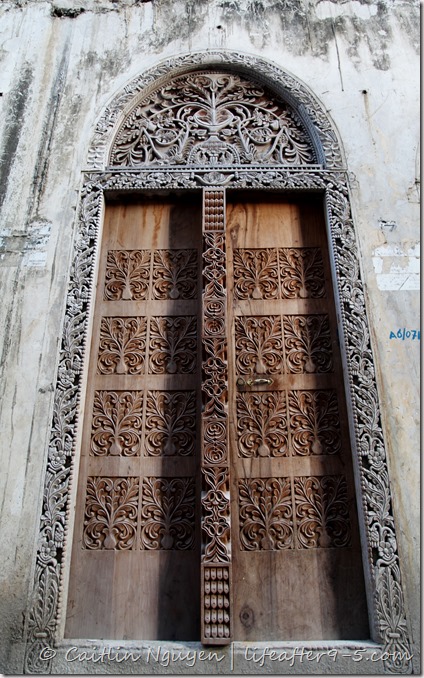
All of that is long gone, and now as you walk around the city, all you’ll notice is the intricate wood carved doors. Zanzibar is known for their beautifully elaborate woodwork designs.